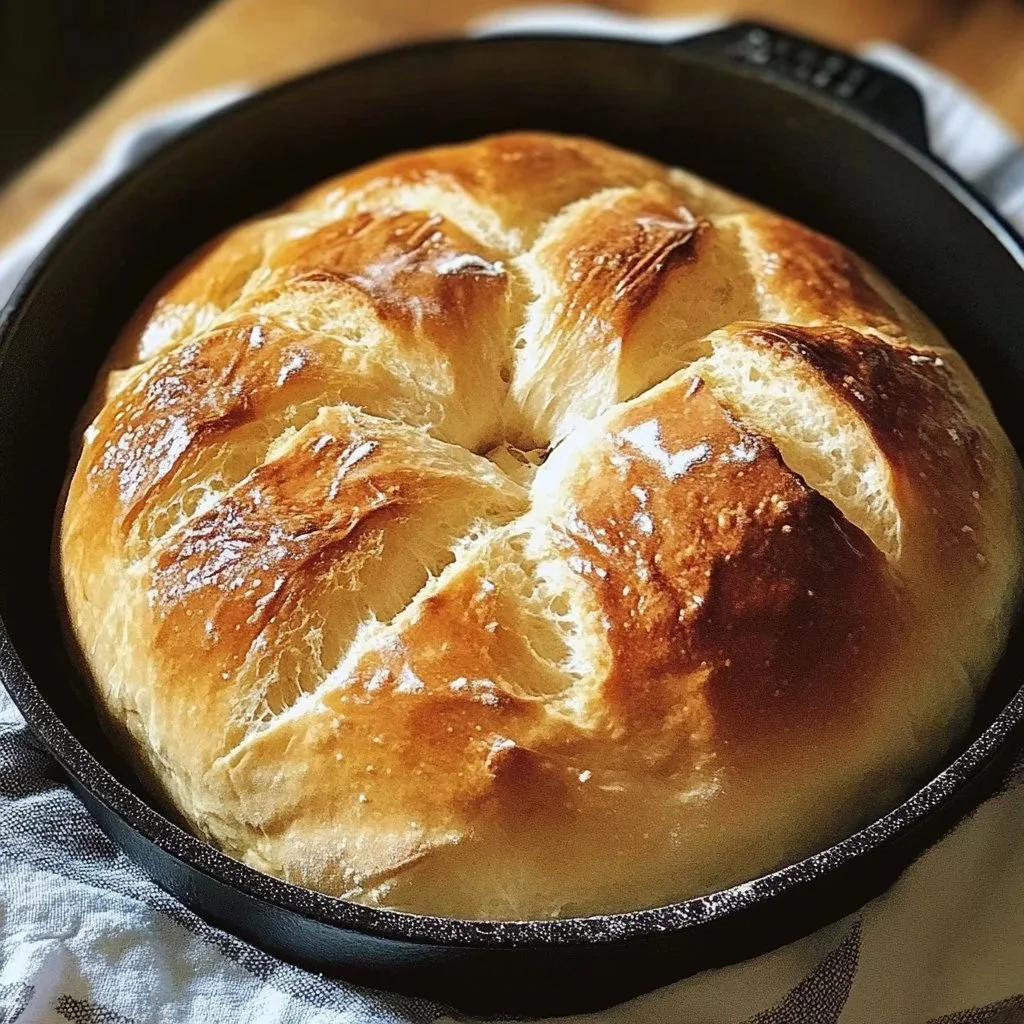
No-Oven Stovetop Bread is the ideal solution for those craving fresh, homemade bread without the complicated oven setup. This delightful recipe is easily accessible, comforting, and perfect for any family gathering. Picture the warm aroma wafting through your kitchen, beckoning your loved ones to gather around the table. The best part? This bread is created using simple ingredients and a step-by-step approach that guarantees success, even for beginners. So let’s roll up our sleeves and dive into this easy, quick-to-make bread that will surely bring nostalgia and joy to your dining experience.
Ingredients
To craft your No-Oven Stovetop Bread, gather the following ingredients:
- 1 cup all-purpose flour: Offers a soft and tender texture with a mild flavor that serves as the perfect foundation for any bread.
- 1 teaspoon baking powder: This leavening agent ensures your bread rises and develops a light, airy quality.
- 1/4 teaspoon salt: Just the right amount enhances the flavor, balancing the sweetness.
- 1/4 cup unsalted butter, melted: Infuses the bread with a rich, buttery taste, making each bite melt in your mouth.
- 1/2 cup milk: Provides creaminess and moisture, helping the dough come together beautifully.
- 1 large egg: Acts as a binder, adding richness and structure to the dough.
- 1/4 cup warm water: Essential for activating the yeast and bring the dough to life.
- 1 teaspoon sugar: A touch of sweetness that feeds the yeast and helps it flourish.
- 1 teaspoon active dry yeast: The star ingredient that makes the bread rise, giving it that perfect fluffy texture.
- 1 tablespoon olive oil (for frying): Adds a lovely crispness to the crust as it cooks on the stovetop.
Cooking Time & Tips for No-Oven Stovetop Bread
When it comes to preparation, the No-Oven Stovetop Bread shines in its simplicity. Quick preparation usually means mixing your ingredients and using techniques to create a straightforward bread. However, slow preparation, which is often used in more traditional bread-making methods, allows for fermentation and deeper flavors. Since this stovetop recipe is relatively quick, it combines the best elements of both methods: speedy yet satisfying.
To ensure optimum results, consider these practical tips: Always use warm water (not hot) when activating the yeast, as too much heat can kill it. Knead your dough until it’s smooth and elastic to develop the gluten structure that gives bread its delightful chewiness. Finally, be patient during the rising stages—the more it rises, the fluffier your bread will be.
Step-by-Step Directions
-
Activate Your Yeast: In a small bowl, combine warm water, sugar, and yeast. Let it sit for about 5-10 minutes until foamy. This is a vital step; the foamy layer shows that your yeast is alive and kicking!
-
Mixing the Dry Ingredients: In a large bowl, whisk together the flour, baking powder, and salt. This blend creates the structure of your bread.
-
Combining Wet and Dry: Make a well in the center of the dry ingredients and pour in the yeast mixture, melted butter, milk, and egg. Stir until a soft, sticky dough forms, ensuring all components are well-integrated.
-
Knead Away: Transfer the dough onto a floured surface and knead for 8-10 minutes until smooth and elastic. This process activates the gluten, giving your bread its desirable texture.
-
Let It Rise: Place the dough in a lightly oiled bowl, cover it, and let it rise until doubled in size, about 1 to 1.5 hours. Warmth and time are key players in developing flavor.
-
Shape the Dough: After rising, punch down the dough, shape it into a loaf, and let it rise for another 30 minutes. This second rise helps achieve a nice volume and texture.
-
Cook on the Stovetop: Heat a non-stick skillet over medium-low heat, add olive oil, and cook the dough for 5-7 minutes per side until golden brown. Keep an eye on it to avoid burning—patience is necessary!
-
Cool and Serve: Allow the bread to cool slightly before slicing. This resting time will help the crumb set, resulting in perfect slices.
Serving Suggestions & Occasions
No-Oven Stovetop Bread is incredibly versatile and can be served in various ways. Pair it with warm butter, a sprinkle of herbs, or a dollop of honey for a classic touch. This bread makes an excellent side for soups and stews, or you can elevate your breakfast by using it to make delightful sandwiches or toast topped with ripe avocado and a pinch of salt.
Perfect for family gatherings, picnics, or casual dinners alike, this beautiful bread adds warmth and nostalgia to any occasion. Picture the smiles on your loved ones’ faces as they enjoy fresh bread, baked with care right from your stovetop.
Common Mistakes for No-Oven Stovetop Bread
Even with a simple recipe like this, there are a few common pitfalls that you should avoid. First, don’t skip the yeast activation step—if your yeast doesn’t foam, your bread won’t rise! Next, make sure to knead the dough properly; under-kneading leads to a dense texture. Additionally, keep an eye on the heat level; too high can scorch the bread while leaving it raw inside. Lastly, patience is key during rising times; don’t rush it!
Healthier Alternatives & Variations
For a healthier twist on No-Oven Stovetop Bread, consider using whole wheat flour instead of all-purpose flour. This swap adds fiber and nutrients, making your bread a bit more wholesome. You can also experiment with adding seeds such as flaxseeds or chia seeds for an extra nutritional boost.
If you’re feeling adventurous, try adding spices like garlic powder, dried herbs, or even grated cheese to infuse the bread with unique flavors. Let your creativity flow, and tailor this bread to suit your taste preferences!
FAQs
-
Can I use whole wheat flour?
Yes, whole wheat flour can be used, but it may require slight adjustments in liquid ratios. -
Can I make this bread without eggs?
Absolutely! You can replace the egg with 1/4 cup of unsweetened applesauce or a flax egg for a vegan option. -
How long will the bread stay fresh?
The bread is best enjoyed fresh but can be stored in an airtight container for 2-3 days at room temperature. -
What if my dough doesn’t rise?
Check the freshness of your yeast and ensure the dough was kept in a warm place. -
Can I freeze the bread?
Yes! Slice and freeze your bread, then thaw it as needed for convenient snacking. -
How can I enhance the flavor of the bread?
You can add herbs, spices, or cheese into the dough for a flavorful twist.
Conclusion
With No-Oven Stovetop Bread, you have a delightful recipe that invites you to create a comforting experience right in your kitchen. Easy to follow and incredibly satisfying, it’s a recipe that will have you rushing to the stovetop. Don’t wait too long—gather your ingredients and start this culinary adventure today! Your taste buds will thank you as you enjoy every warm, fluffy slice.


